
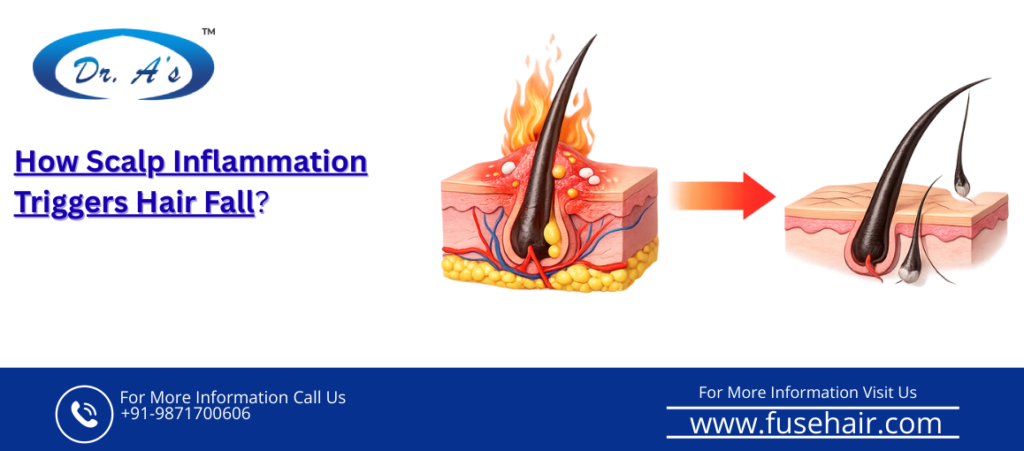

People usually identify genetic factors and stress and nutritional deficiencies as the main causes of hair loss, but scalp inflammation stands out as the most common undetected cause. The unhealthy scalp conditions result in hair follicle damage which prevents hair growth and causes the scalp to lose hair excessively. People who learn about scalp inflammation together with its reasons and treatment methods can protect themselves against hair loss while achieving scalp health recovery.
What Is Scalp Inflammation?
Scalp inflammation describes a condition which causes scalp skin to develop irritation and swelling together with red and sensitive areas from internal or external factors. Prolonged inflammation leads to hair follicle destruction because it restricts blood circulation which disrupts nutrient transportation to the hair roots. The process causes gradual hair loss together with increased hair breakage and visible hair thinning.
Chronic inflammation remains untreated because it has the potential to cause permanent damage to hair follicles which makes advanced hair restoration methods such as hair transplant in Delhi necessary for some patients.
Top Scalp Inflammation Causes That Lead to Hair Fall
- People develop multiple scalp inflammation causes which occur simultaneously in their cases.
- Seborrheic dermatitis develops through the combination of excessive oil production and fungal overgrowth.
- Psoriasis develops through autoimmune-related inflammation which creates thick, flaky skin patches.
- People develop allergic reactions when they experience sensitivity to hair dyes and shampoos along with styling products.
- Bacterial and fungal infections frequently occur when people do not maintain proper scalp hygiene.
- The body experiences inflammatory responses because stress and hormonal imbalance act as triggers.
- Environmental factors include pollution and UV exposure together with hard water.
- People develop a poor scalp care routine through their practice of overwashing or their habit of infrequent cleansing.
Common Scalp Inflammation Symptoms You Shouldn’t Ignore
The early identification of scalp inflammation symptoms establishes a pathway which leads to the prevention of extensive hair loss. The following symptoms should be monitored:
- Chronic itching or burning feeling
- sunburn or scratching on the head
- Chip chip skin, dandruff, or oily skin
- Pain or kindness when touching the scalp
- Increased hair fall during washing or combing
The symptoms show that the scalp barrier protection system has been breached which requires urgent remediation through appropriate scalp care procedures.
How Scalp Inflammation Triggers Hair Fall
Inflammation impacts the hair growth process through multiple mechanisms which affect its advancement.
- Weakens Hair Follicles – Inflamed follicles shrink and produce thinner hair strands
- Reduces Blood Circulation – Nutrients and oxygen fail to reach the roots
- Disrupts Growth Phases – Hair prematurely enters the shedding (telogen) phase
- Dryness and irritation make hair brittle which results in increased breakage.
- The condition will evolve into permanent hair thinning when we do not solve the issue through immediate treatment.
How to Reduce Scalp Inflammation Effectively
Concerning how to reduce scalp inflammation, constancy and method matter more than quick fixes.
- Use mild sulfate free shampoos which are safe for sensitive scalps.
- The practice of washing hair should be limited to essential needs while maintaining a proper scalp cleaning routine.
- The scalp should receive gentle massage treatment which helps to maintain healthy blood flow.
- Individuals can control stress through three activities which include yoga, meditation and exercise.
How to Treat Scalp Inflammation Naturally
Many people prefer learning how to treat scalp inflammation naturally especially in early stages. The following natural treatments show effectiveness in treating this condition through their respective natural treatments:
- Aloe vera gel: Soothes scalp irritation while providing hydration to the scalp
- Tea tree oil: Shows both antifungal properties and anti-inflammatory ability
- Coconut oil: Mends moisture deficiencies while it boosts the protective functions of the scalp defense system
- Neem: The plant acts as a therapeutic agent which decreases both infection spread and body scratching.
- Apple cider vinegar (diluted): The solution functions to maintain right pH levels on the scalp.
- People who experience ongoing health issues should seek expert medical evaluation although their desire to use natural treatments.
Medical Scalp Treatment Options
People require professional scalp treatment when natural methods fail to succeed. Dermatologists may suggestions:
- Medicating inflammation to shampoo against
- for treating antifungal or antibacterial cream
- for temporarily treating corticosteroids topically
- PRP or mesotherapy for scalp revival
The treatments will achieve their goals by controlling scalp inflammation while protecting hair follicles and restoring the scalp’s original condition.
When Hair Transplant Becomes an Option
All available treatments will not restore hair growth because permanent follicle damage has occurred from ongoing inflammation. This is when advanced methods like hair transplant in Delhi come into the picture.
Reputed hair transplant clinics focus not only on transplantation but also on treating underlying scalp inflammation before and after the procedure to ensure long-lasting results. A successful transplant operation requires a healthy scalp condition.
Conclusion
People tend to overlook scalp inflammation because they believe it only leads to hair loss after their hair has already started to fall out. The process of protecting your hair from excessive loss begins with understanding what scalp inflammation entails, together with its symptoms and how to treat scalp inflammation through effective scalp treatment methods, which include both natural and medical solutions.
Strong hair always starts with a healthy scalp. Your hair will remain safe until tomorrow if you treat your redness today with the right scalp treatment approach.

Dr. Arvind Poswal
Dr. Arvind Poswal is a hair transplant specialist, dermatologist, inventor, author, and teacher with a deep passion for advancing hair restoration. With medical training from Armed Forces Medical College, Pune and dermatology training in Australia, he has spent years exploring better more natural approaches to hair restoration. His expertise includes FUE/FUSE hair transplantation, beard-to-scalp transplantation, aesthetic procedures, and regenerative therapies. He has authored books, trained fellow doctors and contributed to innovations in hair restoration while being associated with leading international hair restoration societies.