


Chances are, if you’ve been struggling with an itchy, flaky scalp, along with some hair loss, that seborrheic dermatitis has something to do with it. And if you have been looking for a permanent solution you might be wondering if hair transplantation even applies to your condition. The short answer is yes – although, with a few key circumstances. Let’s begin it easier.
What Is Scalp Seborrheic Dermatitis?
Seborrheic dermatitis is a condition which is generally found in the skin, more commonly on the scalp of any human being. It’s defined by inflamed, red skin covered in greasy scales with irritation to match. Some may see it as more than normal dandruff and there are good reasons for that. This condition occurs due to a build up of yeast known as Malassezia. This is found naturally on the skin but if it over populates it can cause irritation.
Now this is where it gets a little bit tricky for the hair. If inflammation persists around hair follicles for extended amounts of time this causes stress upon them. It provides less of an ideal environment for hair to grow as it’s stressed. This is why for some who have had seborrheic dermatitis for a long time have noticeable thinning or patchy loss of hair along with it.
So, Can You Actually Get a Hair Transplant with Seborrheic Dermatitis?
This is arguably the most frequently asked question from patients who want to treat seborrheic dermatitis through a hair transplant procedure. The suitability of undergoing a hair transplant on a seborrheic scalp is wholly dependent upon the present condition of the scalp itself.
An actively inflamed scalp cannot be used for the hair transplantation procedure, because there would be an increased likelihood of failure of transplanted grafts, delayed wound healing and exacerbation of the dermatitis itself. Conversely, if seborrheic dermatitis is controlled, for instance through medicated shampoos, antifungal applications and an appropriate skin care regime, then the scalp is a suitable environment for transplantation.
At Dr A’s Clinic (Fuse Hair), the first step in assessing a seborrheic scalp for the hair transplant procedure is to determine if it is active or inactive. This simple step protocol distinguishes the planned procedure at our clinic from those procedures that are hasty.
The Role of PRP in Preparing the Scalp
Most patients suffering from seborrheic dermatitis can take immense benefit from PRP (Platelet-Rich Plasma) therapy before rushing into transplant surgery. Here, a bit of blood is taken from the patient, and the growth factors from the blood are concentrated and then injected into the scalp. These growth factors reduce inflammation in the scalp and strengthen the hair follicles, hence helping in improving the scalp conditions. If you are looking for information on the hair PRP cost in Delhi then it would generally vary from patient to patient, depending on the number of sessions prescribed to him and also on the expertise of the clinic. In Fuse Hair, PRP is tailored to the patient’s specific scalp condition and is helpful to people for hair transplant seborrheic dermatitis surgery.
The FUSE Technique — Why It Matters for Sensitive Scalps
After stabilizing the scalp, the question arises is what method will be both safest and most successful? When dealing with a patient with a history of seborrheic dermatitis it is imperative to minimize scalp trauma, and this is where FUSE, Follicular Unit Separation Extraction (developed by Dr Arvind Poswal) excels.
Unlike all other FUE techniques, there are no linear incisions, and therefore no stitching. Individual follicular units are then carefully separated and removed with precision, so that trauma to the scalp is kept to a minimum, reducing the likelihood of the dermatitis flaring up and also enhancing the healing process. If you require hair restoration to be performed by a doctor experienced in complex scalp conditions, then Dr Arvind Poswal is an expert in the FUSE technique and best hair transplant doctor in Delhi for scalp conditions such as seborrheic dermatitis.
Post-Transplant Care When You Have Seborrheic Dermatitis
The completion of surgery is the first half; therefore, after care is perhaps more important than usual for seborrheic dermatitis patients. What tends to be more critical post-surgery?
Medicated or anti-fungal shampoos should be continued under your doctor’s advice so that the yeast population does not get the chance to multiply and the scalp heals. You need to protect your transplanted grafts from harsh hair chemicals, increased perspiration and sun rays during the initial weeks after surgery, lest they should get damaged. With follow-up examinations by your surgeon, it is possible to discover a recurrence very early, so that early corrective measures can be taken before affecting graft growth.
Fuse Hair is not limited to Delhi only, and there are some centres in India outside of the capital like they are also doing hair transplant in Hyderabad, so that patients located in different parts of India can access specialized hair transplant and the post-operative care needed for its successful integration into the scalp.
Final Thoughts
With regards to restoring your hair, seborrheic dermatitis isn’t a closed door. It just means that you may need to do a few things differently, take your time, have the expertise to achieve great results. When a dermatologically sound and professional PRP back-up are combined with an expert surgeon, using a technique to minimize scalp damage, hair restoration results are indistinguishable from the results seen in any other patient.
So, if you do not know where to begin, it is always best to get an accurate consultation – one where your scalp is assessed, and an individual road map to hair restoration is planned.
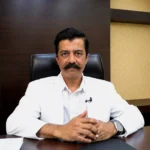
Dr. Arvind Poswal
Dr. Arvind Poswal is a hair transplant specialist, dermatologist, author, inventor and teacher. Trained at Armed Forces Medical College, Pune and in Australia, he specializes in FUE/FUSE, beard-to-scalp transplantation, aesthetic procedures and regenerative hair restoration techniques with 25+ years of experience.
- Hair transplant specialist
- 25+ years experience
- Father of Hair Transplants in India